The Doodles Are Worth Something: Turning Process Scraps Into a Real Asset
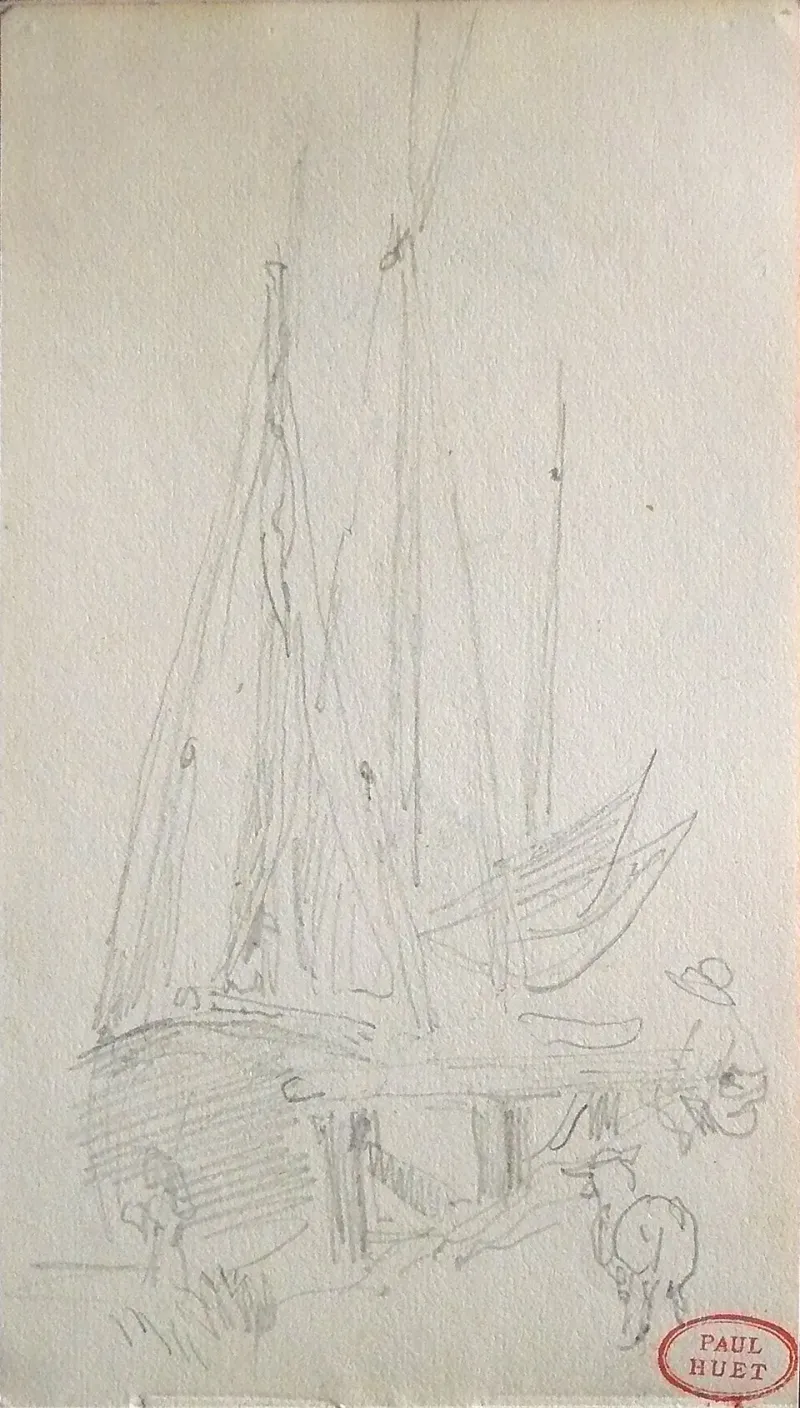
Photo: J'aimelart, CC BY-SA 4.0, via Wikimedia Commons
Every creative studio has a shadow archive. It lives in desk drawers, cloud folders named "misc_final_v3," phone camera rolls full of color swatches shot at golden hour. Nobody organized it. Nobody's supposed to see it. And most creatives would tell you it's worthless.
They'd be wrong. That material — the failed drafts, the margin doodles, the twelve typeface pairings you rejected before landing on the one — is a record of how you think. And how you think is exactly what clients are paying for when they hire you instead of the cheaper option down the street.
Process Is the Product You're Not Selling Yet
Here's a thought experiment. Two designers deliver the same logo. One hands over the final file. The other hands over the final file plus a short visual story: three early directions, a note on why direction two died, the moment the idea clicked. Same logo. Completely different perceived value.
Clients don't buy deliverables as much as they think they do. They buy confidence — the feeling that someone thoughtful is behind the work. A curated process archive is proof of thought. It turns "I made this" into "here's how I make things," and that second sentence is what justifies higher rates.
Build a System in One Afternoon
You don't need a Notion empire or a custom database. You need three buckets and a habit.
Bucket one: The Raw Feed. Everything goes here, unsorted. Phone photos of sketches, screen recordings of your design files mid-edit, voice memos where you talk through a problem. The only rule: capture it the day it happens. Process material has a short shelf life — you won't remember why that layout failed in six months.
Bucket two: The Shortlist. Once a month, spend thirty minutes pulling anything from the raw feed that shows a decision. A before-and-after. A rejected concept with a legible reason. A happy accident you'd want to repeat. If it doesn't demonstrate thinking, it doesn't move up.
Bucket three: The Client-Facing Cut. This is the small, polished layer — the stuff you'd actually show a prospect. Think ten to twenty items total, refreshed quarterly. This is where scraps become sales material.
That's it. Thirty minutes a month plus a capture habit. The compounding effect over a year is genuinely surprising.
When Scraps Go Public
There's a natural sequence here. Raw material starts private. Some of it graduates to a case study. A few pieces graduate again into marketing — an Instagram carousel of "five directions that didn't make it," a blog post on how a brand voice evolved, a talk at a local AIGA chapter meeting.
The filter at each stage is the same question: does this make the client smarter about my process, or just noisier? A time-lapse of your illustration build? Smarter. Two hundred variations of the same mark with no commentary? Noise.
One caution: check your client contracts. Some agreements assign all work product — including drafts — to the client. Most freelancers in the US operate under standard IP assignment language, which usually covers final deliverables but can be read broadly. A one-line carve-out in your contract ("Contractor retains rights to process materials and non-final concepts for portfolio purposes") costs nothing to include and saves an awkward conversation later.
The Rate Conversation Nobody Has Out Loud
Here's the quiet math. A creative who can show how they work isn't competing on output anymore — they're competing on judgment. Judgment is scarce. Output is a commodity that AI tools are making cheaper by the month.
When you next quote a project, the process archive is your leverage. "My fee reflects a tested methodology" is a hard sentence to say without evidence. With a tidy archive behind you, it's just a description of reality. Clients pay more for reality they can see.
Start this week. Open the drawer. The scraps are worth something — but only if you decide they are.