Still Standing: The Unglamorous Habits Behind Every Decade-Long Creative Career
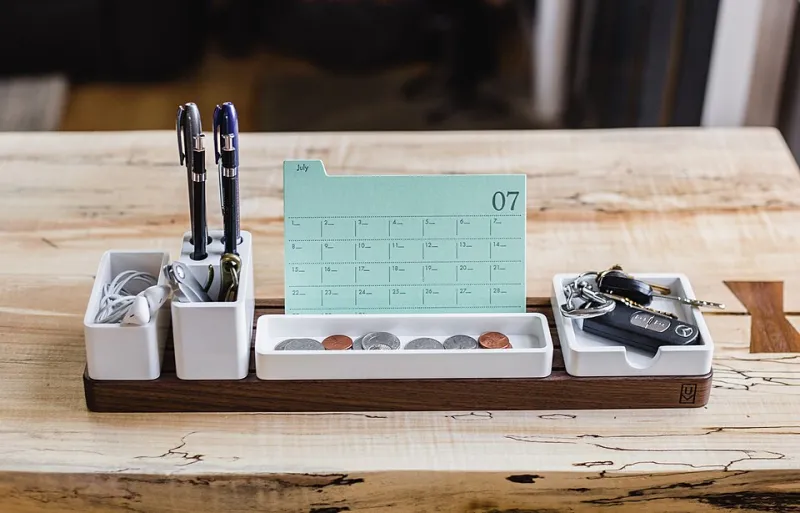
Photo: Jeff Sheldon ugmonk, CC0, via Wikimedia Commons
We celebrate the wrong anniversaries in creative work. We toast the launch, the viral moment, the big client win. We almost never toast the ten-year mark — the quiet milestone of still being here, still making things, still solvent, after the majority of people who started alongside you have moved on to something else.
Longevity in this field isn't a talent thing. I've watched more brilliant illustrators quit than mediocre ones, usually over money, boundaries, or burnout — problems that discipline, not genius, solves. What follows are five habits I've seen in almost every creative who's crossed the decade line. None of them will get you likes. All of them will keep you here.
1. They Treat Invoicing Like a Creative Practice
A designer I know marks her calendar for the first business day of every month: invoices go out before any client work begins. Rain or shine, inspiration or not. She calls it her most important design project, half-joking.
She's right, and the data backs her up — cash flow, not lack of talent, kills most freelance careers. The takeaway: automate what you can, invoice on a schedule rather than a mood, and never let a finished project sit unbilled because paperwork felt beneath the work.
2. They Say No in Writing
The creatives who last have learned to decline work in a way that protects the relationship and the calendar. Not a vague "let me think about it" that leaves the door painfully ajar, but a clear, kind, written no: "I'm not able to take this on, but here's who might, and I'd love to be considered for the next one."
A yes you resent is more expensive than any lost project. Put your no in writing — it forces clarity, creates a record, and stops the slow bleed of scope creep before it starts.
3. They Stack Skills Instead of Chasing Trends
Every few years the industry panics about something — AI, a platform shift, a new tool. The decade-survivors respond the same way every time: they add an adjacent skill to what they already do rather than abandoning their base.
The brand designer who learned motion. The photographer who learned layout. Skill-stacking makes you harder to replace and gives you more ways to say yes when one income stream wobbles. The rule of thumb: get genuinely good at two or three overlapping things instead of chasing novelty in five unrelated ones.
4. They Rest on a Schedule, Not After a Collapse
Nobody plans a burnout; they just skip planning the rest that prevents one. The long-haulers I know treat downtime like a deliverable — a real vacation blocked in the calendar each year, one lighter season, evenings that actually end.
An art director once told me he books his August vacation in January, before any client can claim the dates. That's not rigidity. That's engineering. Rest that depends on feeling rested never arrives. Rest that's scheduled does.
5. They Keep a Boring, Honest Ledger of Their Own Work
The last habit is the least exciting and possibly the most valuable: a running record of projects, rates, hours, and lessons — updated without fail. Over a decade, this becomes something no newcomer can fake: evidence of what you're actually worth, what kinds of clients drain you, and which work made you proud.
It also quietly solves the impostor problem. On the days when you're sure you've been faking it, the ledger disagrees, in your own handwriting.
The Shareable Version
If you take one line from this piece, take this: virality is weather, longevity is climate. The creatives still standing after ten years aren't the ones who got the biggest break. They're the ones who billed on time, said no cleanly, learned one more thing, rested on purpose, and wrote it all down. Start any one of these this week. Your future self — the one still here in 2035 — is the beneficiary.